
Our Heritage Site

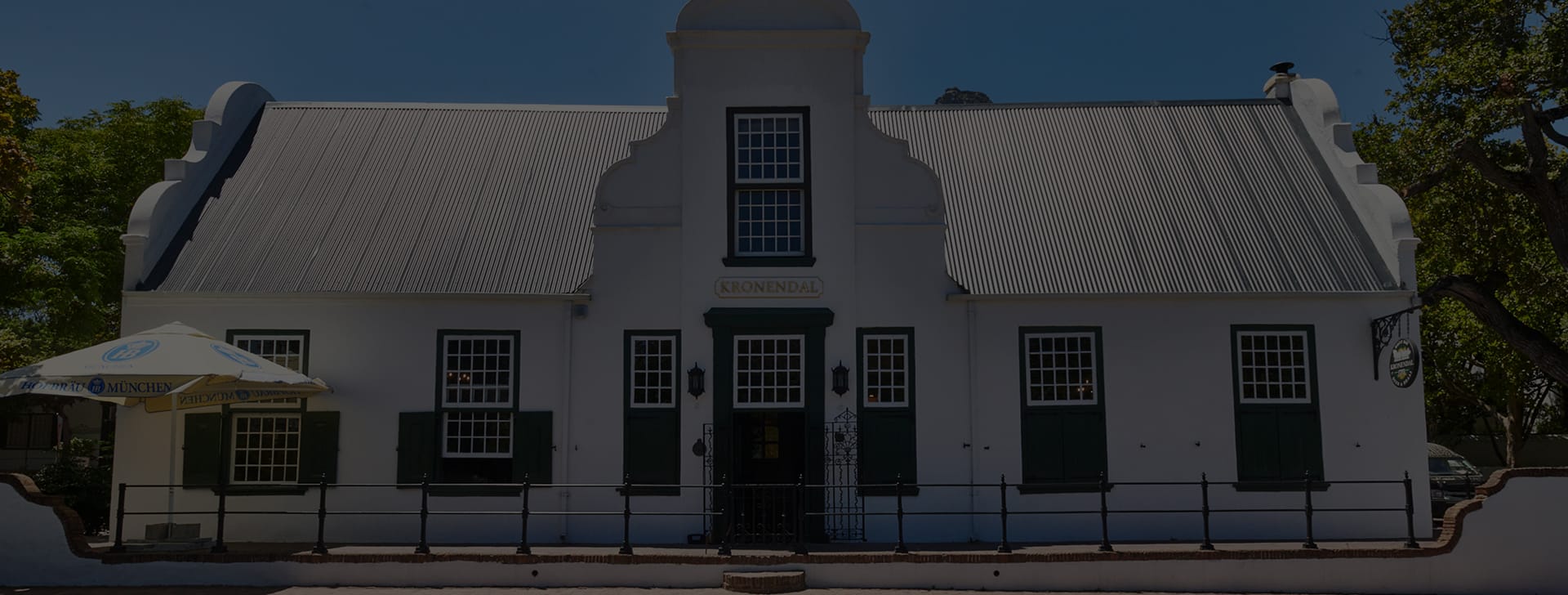
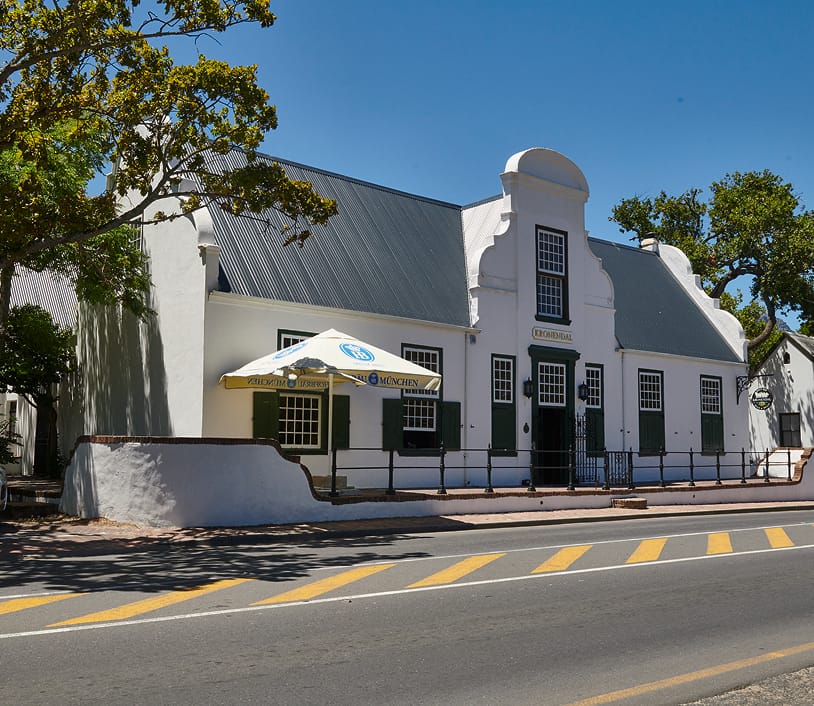
In 1713 the back range of this house was built, and it is still standing. Today you can book a table in it. Kronendal is a Cape Dutch homestead on Main Road in Hout Bay, declared a National Monument in 1960. It is not a museum. The fire is lit six days a week.
Protected Heritage Status
On 9 September 1960, Kronendal was declared a National Monument. That is a legal status, not a marketing one. It means the gables, the walls and the proportions of this house are protected, and that none of it can be quietly modernised. Which is why the ceilings are low, the doorways are narrow, and every room is the size it was when it was built. We did not choose the layout. We inherited it.
A Living Landmark, Still Welcoming Guests
Most protected buildings end up behind rope. This one kept working. Kronendal has been a restaurant for decades, and that is the reason it is still in good repair, because a building that earns its keep gets looked after.
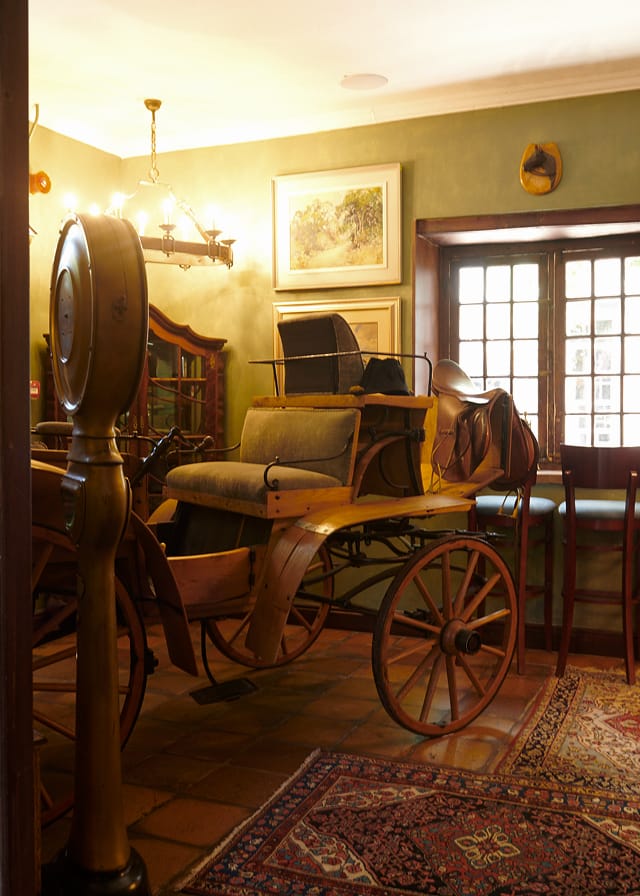
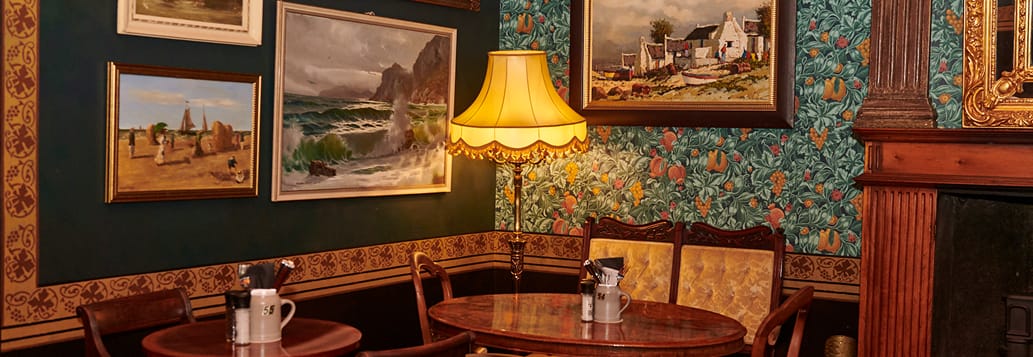
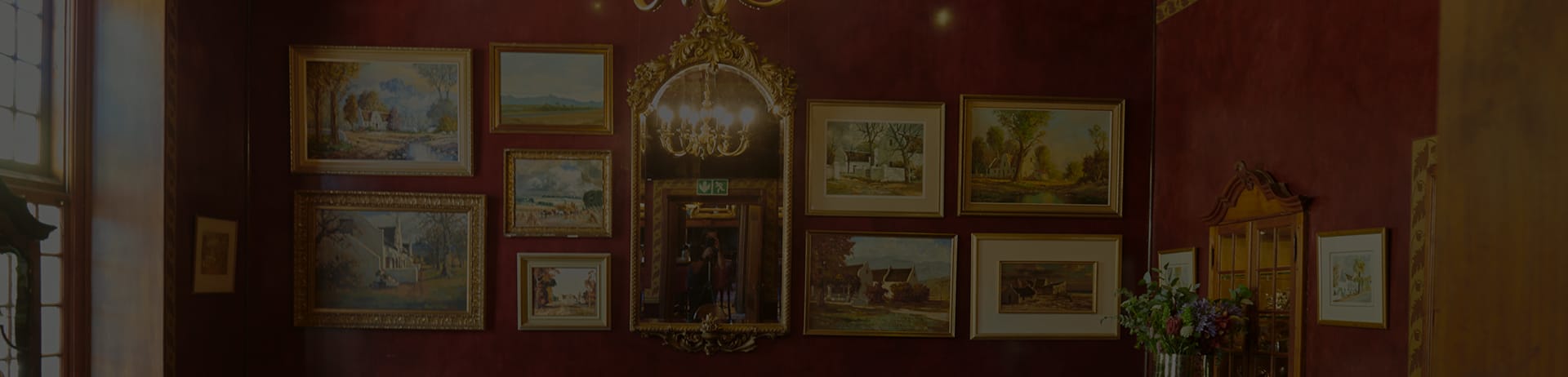
It also means you get closer to it than any tour would allow. You sit in the original rooms, in their original proportions, under their original ceilings. The history here is not on a plaque. It is the floor you are standing on.
The Legend Of Elsa
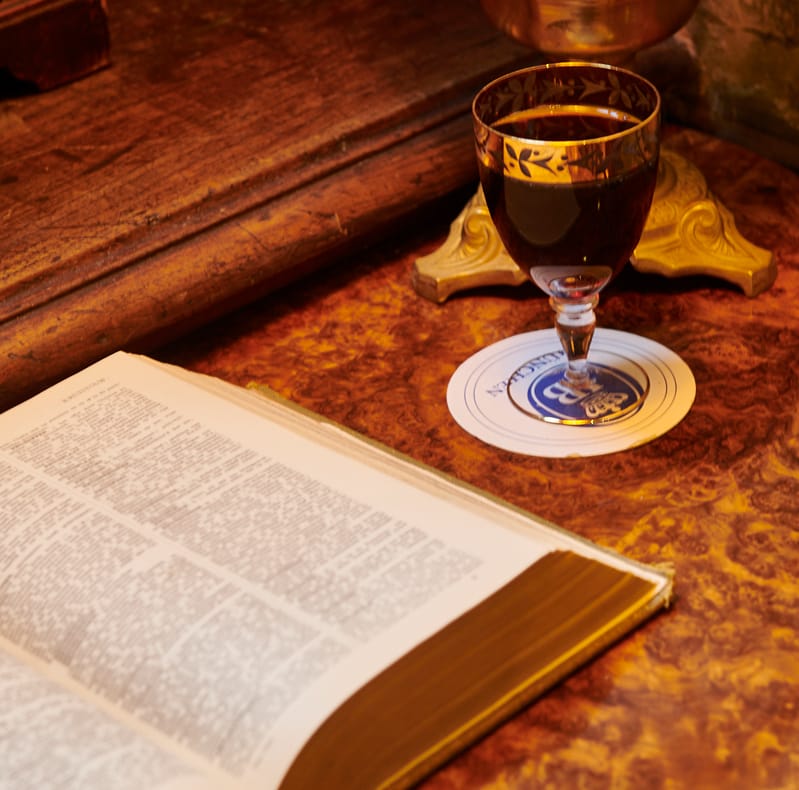
Around 1840, a girl who lived in this house fell in love with a soldier she was forbidden to speak to. He is said to have hanged himself from one of the oaks in the avenue across the road, and Elsa died not long after. We still set a table for her every day, with a glass of wine poured.
The short history
- 1670s
- A farm is established in the Hout Bay valley.
- 1713
- The back range of the homestead is built. It still stands, and it is the 1713 in the name.
- 1777
- Jacobus Bierman buys the property and it is worked as a farm.
- c.1800
- The front section is added, completing the H-plan. This date is set into the front gable.
- c.1840
- The Cloete family own Kronendal briefly. The legend of Elsa dates from here.
- 1960
- Declared a National Monument on 9 September, under the National Monuments Council.
- 1970s on
- At least five sightings documented in local newspapers and magazines.
- December 2025
- Kronendal 1713 opens as a braai restaurant and bar in the manor.
The house
Kronendal is a Cape Dutch H-plan homestead, and it was not built all at once. The back range went up in 1713. The front section followed around 1800, and only then did the house take the H shape it holds today. That later date is the one set into the front gable, which is why the building honestly carries two.
Homesteads of this kind grew in stages, a working core first and a formal front later. Kronendal is the oldest surviving H-plan homestead on the Cape Peninsula.
Questions
How old is Kronendal 1713?
There are two answers, because the house was built in stages. The back range was built in 1713 and it is still standing. The front section was added around 1800, completing the H-plan, and that date is set into the front gable. A farm was worked here from the 1670s, and Kronendal was declared a National Monument on 9 September 1960.
Is Kronendal 1713 haunted?
That depends what you are willing to believe. The legend of Elsa dates to around 1840, and since the 1970s at least five sightings have been documented in local newspapers and magazines: a man among the oak trees across the road at sunset, and a young woman in an old-fashioned blue dress at the front windows. South African History Online records an account from a visiting English architect who described seeing a woman in period clothing inside the building. We set a table for Elsa every day, with a glass of wine poured.
Who was Elsa?
By local legend, Elsa was the daughter of Daniel Cloete, whose family owned Kronendal briefly around 1840. She fell in love with a British soldier from the garrison stationed in Hout Bay, the match was forbidden, and the story ends with his death among the oaks across the road and hers soon after.
Can you eat in the historic manor house?
Yes. Kronendal 1713 is a working braai restaurant and bar inside the manor, at 140 Hout Bay Main Rd, Hout Bay, Cape Town. Open Tuesday to Sunday from midday, closed Mondays. The food is cooked over open fire and the rooms are the original ones. Booking is recommended, especially on live music nights.
Visiting the house
Kronendal 1713, 140 Hout Bay Main Rd, Hout Bay, Cape Town. Open Tuesday to Sunday from midday, closed Mondays. The approach from town is Chapman’s Peak Drive, which is worth the detour on its own, and there is parking on the estate.
The kitchen runs on open fire. The rooms are the original rooms. Elsa’s table is set whether you believe in her or not.
The Oldest Estate in Hout Bay
Kronendal is the oldest estate in Hout Bay. The back range of the house was built in 1713 and the front section was added around 1800, completing the H-plan you see from the road.
The house is still a working restaurant. See what comes off the open fire on the braai menu, or book a table.